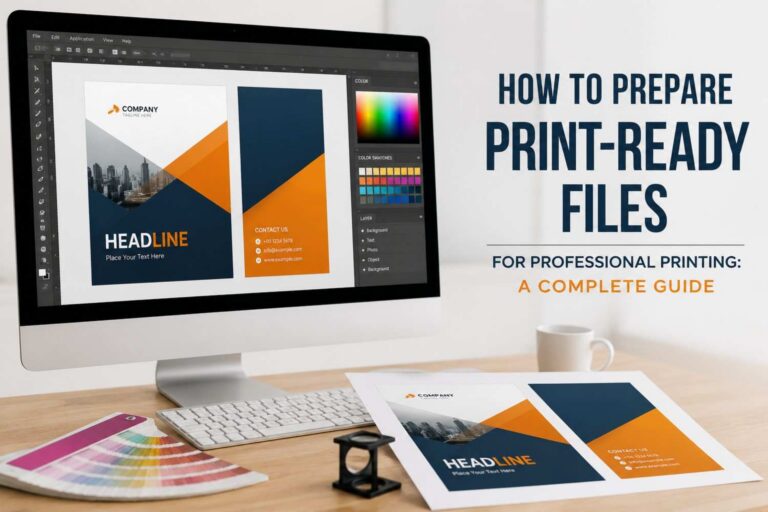
Print Marketing Materials Checklist: What Your Business Should Print for Every Campaign

Print marketing is still an effective way to put your brand directly in front of customers. From business cards and brochures to postcards and direct mail, the right printed materials can support brand awareness, generate leads, and strengthen your overall marketing campaign.

For businesses that want a consistent brand presence, having a practical print marketing materials checklist makes it easier to know what to create for each campaign.

Direct Graphix provides digital printing, offset printing, direct mail, large-format printing, graphic design, and other business marketing solutions. Its website highlights products such as flyers, brochures, posters, business cards, postcards, banners, and direct mail.

Why Print Marketing Materials Still Matter

Digital marketing matters, but physical marketing materials give customers something to hold, read, save, and share. Printed materials can also work alongside online campaigns. For example, a postcard or brochure can include a QR code that sends customers directly to a website or landing page.

The key is to choose printed marketing materials based on your campaign goals, rather than printing everything for every promotion.

Print Marketing Materials Checklist for Your Business

How to Choose the Right Print Materials

1. Business Cards

Business cards are one of the most basic business marketing materials, but they remain useful for networking, meetings, events, and customer interactions.

Your business card should include:

  • Business name and logo
  • Contact information
  • Website
  • Phone number
  • Social media details when relevant
  • A QR code if useful

Keep the design consistent with your website and other promotional materials.

2. Flyers

Flyers are affordable and flexible promotional print materials for announcing sales, services, events, new locations, seasonal offers, and special promotions.

A good flyer should have a clear headline, a strong visual, short supporting information, and an obvious call to action. Avoid filling the entire page with text. Customers should understand the main offer quickly.

3. Brochures

Brochures are ideal when you need more space to explain your products or services. They can help sales teams, trade show representatives, and local businesses provide useful information to potential customers.

Direct Graphix offers different brochure and flyer formats, including half-fold, tri-fold, Z-fold, and other custom options.

Use brochures when your campaign needs more information than a standard flyer can provide.

4. Postcards

Postcards are particularly useful for direct mail campaigns. They can promote an offer, announce an event, introduce a service, or bring previous customers back to your business.

Keep the message simple and make the offer easy to understand. Include a phone number, website, QR code, coupon code, or other response method so you can measure results.

Direct Graphix provides postcard printing for promotional campaigns and direct mail applications.

5. Direct Mail Pieces

Direct mail can combine several types of print collateral, including postcards, letters, flyers, brochures, and other promotional pieces.

A strong direct mail campaign starts with a defined audience and a clear objective. You can also personalize printed pieces using customer information. Variable data printing allows businesses to customize names, addresses, offers, images, and other information on individual pieces.

For larger campaigns, professional direct mail services can help with printing and mailing requirements.

6. Posters and Banners

Posters and banners are useful when your campaign needs to attract attention from a distance. They work well for storefronts, events, trade shows, sales promotions, and community activities.

For larger visual displays, large-format printing can be used for posters, banners, window graphics, wall wraps, and other oversized promotional materials.

7. Promotional Products and Labels

Depending on your campaign, consider adding branded promotional items, stickers, or product labels. These materials can extend your brand beyond traditional paper marketing.

Choose products that make sense for your audience and campaign rather than adding promotional items simply for the sake of having them.

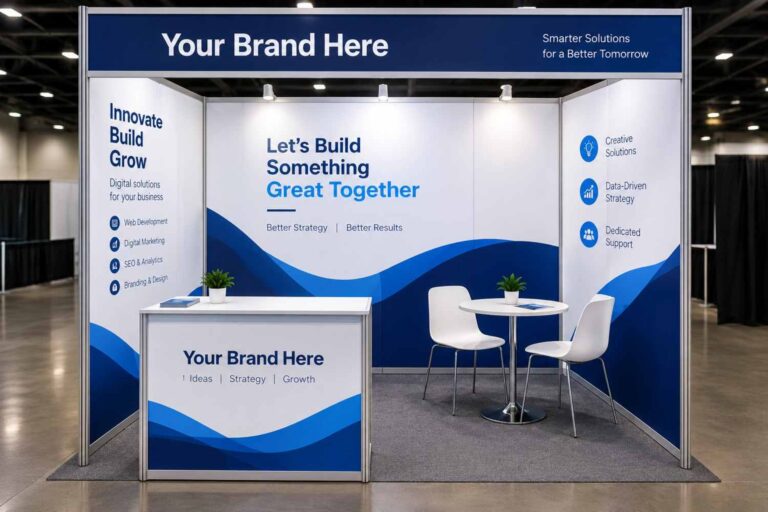
marketing materials for business

Keep Your Print Marketing Consistent

Every piece of marketing material for a business should look like it belongs to the same brand. Use consistent colors, fonts, logos, imagery, messaging, and contact information across your materials.

A consistent visual identity makes your business easier to recognize and gives your campaign a more professional appearance.

If you need help with the design as well as printing, graphic design services can help create artwork that stays consistent across different marketing materials.

Final Print Marketing Checklist

Before launching your next campaign, check whether you need:

  • Business cards
  • Flyers
  • Brochures
  • Postcards
  • Direct mail pieces
  • Posters
  • Banners
  • Labels or stickers
  • Promotional products
  • QR codes or trackable response methods

You don’t necessarily need every item. Choose the print marketing materials that best match your audience, campaign objective, budget, and distribution method.

With professional printing and consistent design, print can complement your digital marketing strategy and create more opportunities for customers to engage with your business.

FAQs About Print Marketing Materials

What are print marketing materials?

Print marketing materials are physical promotional items businesses use to advertise products, services, offers, or their brand. Examples include business cards, flyers, brochures, postcards, posters, and direct mail.

Most businesses can benefit from business cards, flyers or brochures, postcards, and basic promotional materials. The right combination depends on the type of business and marketing campaign.

Yes. Printed materials can complement digital marketing by providing a physical brand experience. They can also direct customers to websites, landing pages, and online offers through QR codes.

Flyers generally provide a short, focused message on one sheet, while brochures offer more space for detailed information about products, services, or a company.

Use unique coupon codes, QR codes, landing pages, promotional codes, phone numbers, or other trackable response methods. This can help connect customer actions to a specific print campaign.

Scroll to Top