In the competitive business world, strong visual communication is no longer a luxury—it’s a necessity. How a brand presents itself visually can be the deciding factor between capturing a new customer or being overlooked. This is where the power of graphic design comes into play. It’s the art of visual storytelling, a way to communicate ideas, strengthen your brand, and connect with your audience on a deeper level. But not all design is the same. Understanding the different graphic design types is crucial for building a cohesive and effective brand strategy.
From the logo that becomes the face of your company to the website that serves as your digital storefront, various specializations work together to build your visual identity. This guide will walk you through the essential types of graphic design your business needs to thrive. We will explore how each discipline contributes to the larger picture of your brand, ensuring your message is clear, consistent, and compelling across every platform.
1. Branding and Visual Identity Graphic Design
At the heart of every successful business is a strong brand identity. This is more than just a logo; it’s the complete visual language that represents your company. Branding and graphic design work together to create this language. A specialist in branding graphic design focuses on developing a suite of visual elements that embody your company’s personality, values, and mission.
This includes designing the logo, defining a color palette, selecting typography, and creating a style guide that ensures consistency. Many businesses invest in professional logo and graphic design services Florida to build a strong visual identity that reflects their brand values. The goal is to forge an emotional connection with your audience, making your brand instantly recognizable and memorable. Effective branding graphic design sets the foundation for all other marketing materials, ensuring a unified presence whether online or in print.
2. Marketing and Advertising Graphic Design
Marketing relies heavily on visuals to grab attention and persuade audiences. Graphic design for marketing and advertising is all about creating assets that support promotional efforts. This field is incredibly diverse, covering both digital and print media.
Designers in this space create a wide range of materials, such as:
- Social media ads and banners
- Email marketing templates
- Posters, brochures, and flyers
- Infographics
- Magazine and newspaper ads
These designers are skilled in combining marketing principles with artistic talent. They understand how to create visuals that not only look good but also drive engagement and conversions, making them a key part of any successfuldigital marketing campaign.
3. Web Design (UI/UX)
Your website is often the first point of contact between your business and a potential customer. Web design, specifically User Interface (UI) and User Experience (UX) design, is critical for making a positive first impression. These are two distinct but interconnected graphic design types.
- UI (User Interface) Design: This focuses on the visual aspects of a website or app. UI designers are responsible for every screen, button, icon, and visual element a user interacts with. They ensure the layout is aesthetically pleasing and aligns with the overall branding.
- UX (User Experience) Design: This is about the overall feel of the experience. A UX designer’s job is to make a website or application easy to use, logical to navigate, and enjoyable for the user. They focus on the user’s journey, wireframing, and prototyping to create a seamless and intuitive interaction.
Excellent branding and graphic design for your site are essential for keeping visitors engaged and guiding them toward a desired action.
4. Publication and Print Design
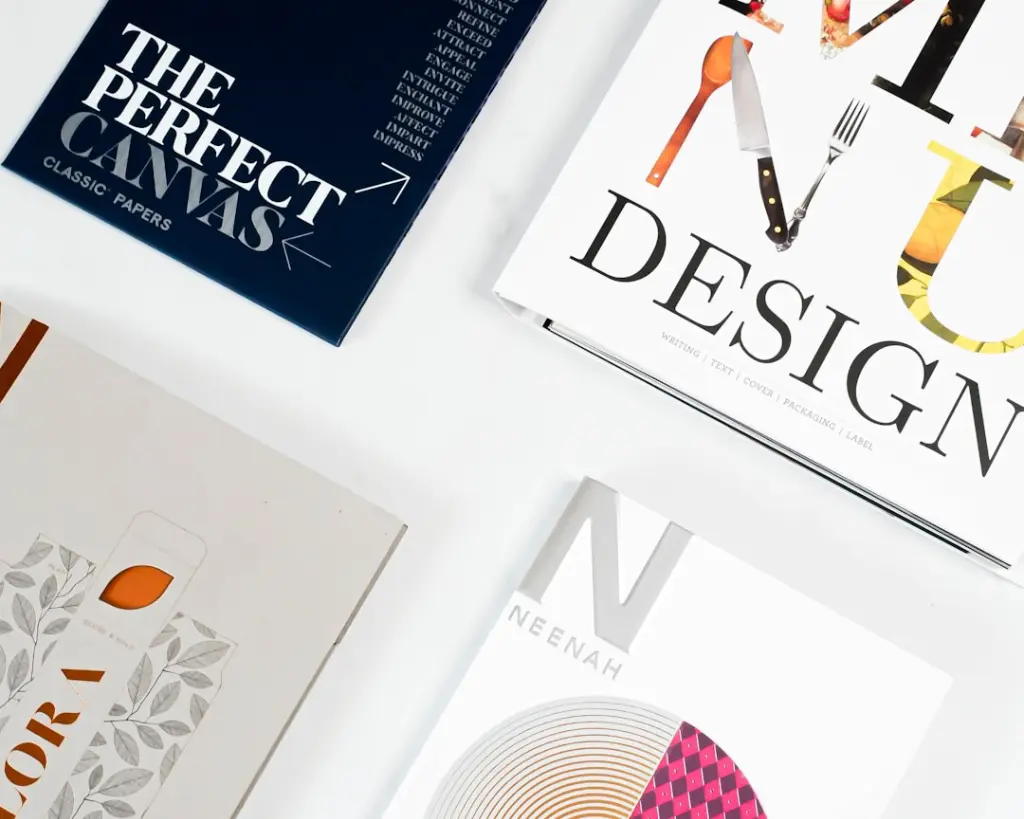
Despite the digital shift, print media remains a powerful tool. Publication design refers to long-form pieces that communicate with an audience through public distribution. This classic type of graphic design includes things like books, newspapers, magazines, and catalogs.
Publication designers work with editors and publishers to create layouts with carefully selected typography and accompanying artwork, which includes photography, graphics, and illustrations. They need excellent communication, layout, and organizational skills. This specialization requires a deep understanding of color management, printing processes, and digital publishing. By applying strong graphic concept design, these designers ensure that the final product is not only beautiful but also highly readable and effective in its printed format.
5. Packaging Graphic Design
Think about the last time a product’s packaging caught your eye in a store. That’s the power of effective packaging graphic design. This specialization is a direct link between a brand and its consumers. It needs to tell a story and make a product look appealing, but it also has a practical function: to protect the product and communicate essential information.
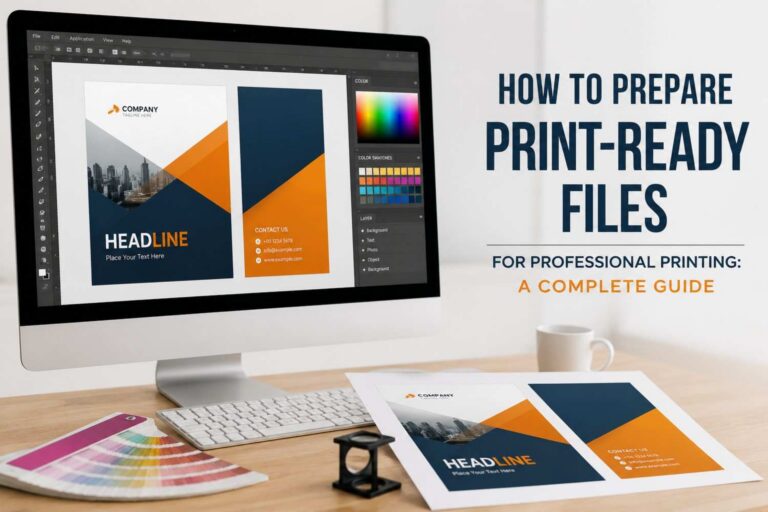
A packaging designer must consider form, structure, materials, color, imagery, and typography. They create mockups and print-ready files for manufacturers. A deep knowledge of print processes and an understanding of industrial design are required. Good packaging backed by strong graphic concept design can make a product stand out on a crowded shelf and influence purchasing decisions, making it a vital investment.
6. Motion Graphic Design
Motion graphics are essentially graphics in motion. This can include animation, audio, typography, imagery, video, and other effects used in online media, television, and film. The popularity of this medium has soared with the rise of video content on social media and websites.
Motion graphic designers bring visual elements to life. You can see their work in:
- Animated logos
- Promotional videos
- App tutorials
- Title sequences for movies
- GIFs and other social media videos
This is one of the newer graphic design types, requiring designers to use tools like Adobe After Effects and Cinema 4D. Motion graphics are an excellent way to capture attention and explain complex ideas in a dynamic and engaging way.
7. Environmental Graphic Design
Environmental graphic design visually connects people to places to improve their overall experience. It involves making spaces more memorable, interesting, informative, or easier to navigate.
Examples of environmental graphic design include:
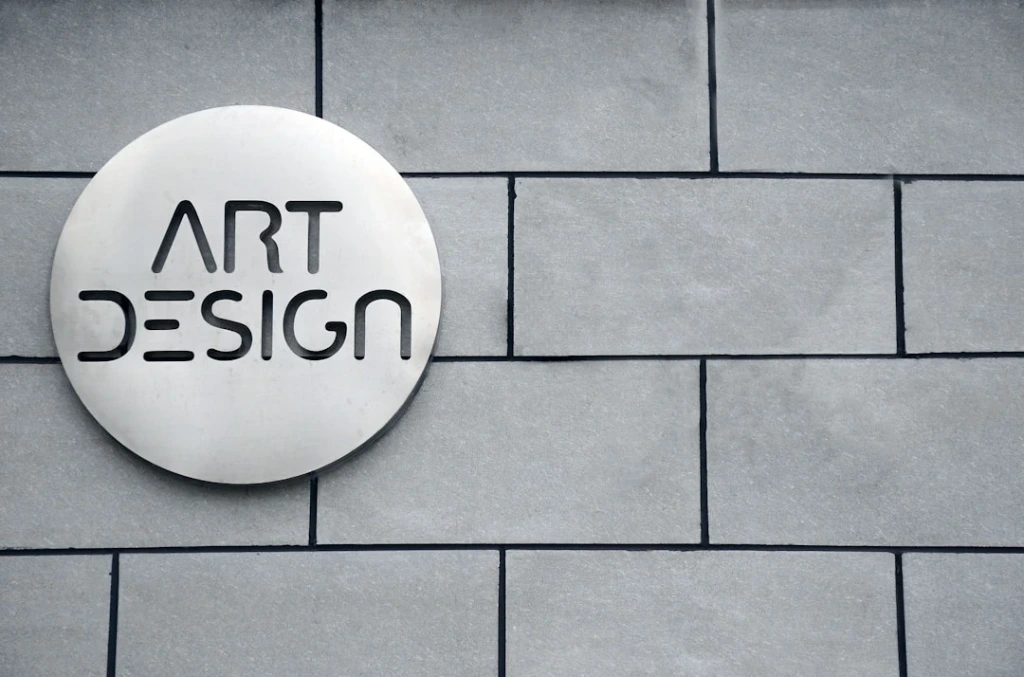
- Signage and Wayfinding: Think of signs in an airport, hospital, or large office park that help you find your way.
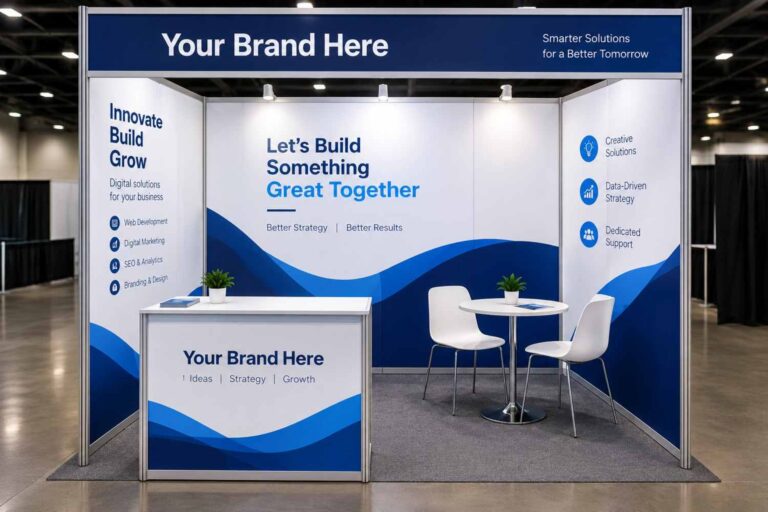
- Exhibition and Event Spaces: Creating immersive branded environments for trade shows, conferences, or museums.
- Office Branding: Incorporating a company’s brand into its physical workspace to create a more engaging environment for employees.
This field combines graphic, architectural, interior, and industrial design. Designers must consider the physical space and use visuals to enhance it in a meaningful way.
8. Illustration for Graphic Design
While often seen as its own art form, illustration is a crucial component of graphic design. Illustrations are visual representations created by an artist, ranging from fine art to decorations. They are powerful tools for storytelling and adding a unique, personal touch to a brand.
Unlike photography, illustrations can be created in any style, making them incredibly versatile. They can be used for t-shirt designs, book covers, infographics, websites, and advertising campaigns. When integrated into a branding graphic design strategy, custom illustrations can set a business apart with a distinct and memorable visual style.
9. Typographic Design
Typography is the art of arranging type to make written language legible, readable, and appealing when displayed. It’s about more than just choosing a font. Typographic design involves font selection, size, spacing, and structure to evoke a specific mood or message.
Good typography can make or break a design. It can establish a visual hierarchy, create harmony, and add a voice to the text. While typography is a fundamental element in nearly all types of graphic design, some designers specialize in it, creating custom fonts or focusing on how type can be used as a primary visual element in a design. For a deeper dive into typographic principles, resources like AIGA’s guide to typography offer valuable insights.
10. Data Visualization and Infographics
In a world overflowing with data, making sense of it all can be a challenge. Data visualization and infographic design focus on presenting complex information and statistics in a way that is easy to understand and visually engaging.
Designers in this field turn spreadsheets and reports into compelling charts, graphs, and infographics. This makes the data more digestible and shareable. Infographics are especially popular in digital marketing because they are highly effective at communicating information quickly and can generate significant social media engagement and backlinks, boosting SEO efforts. This specialization combines analytical skills with creative design to tell a story with data.
11. Digital Marketing Design
Digital marketing design sits at the intersection of creativity, strategy, and performance. It focuses on creating visually compelling assets specifically optimized for digital channels such as search engines, social media platforms, paid ads, websites, and email campaigns. Unlike traditional design, digital marketing design is data-driven—every visual element is crafted to capture attention, guide user behavior, and drive measurable results like clicks, leads, and conversions. This includes designing landing pages, display ads, social media creatives, video thumbnails, conversion-focused banners, and email visuals that align with SEO, PPC, and content marketing strategies. When executed correctly, digital marketing design not only strengthens brand consistency across online channels but also maximizes ROI by turning traffic into engaged customers.
Elevate Your Brand with Professional Graphic Design
Understanding the different graphic design types is the first step toward building a powerful and cohesive brand identity. Each specialization plays a unique role, from establishing your visual identity with branding and graphic design to engaging customers through dynamic web and marketing materials. By strategically using these various disciplines, you can ensure your brand’s message is communicated effectively at every touchpoint.
Are you ready to harness the power of professional design for your business? As a trusted graphic design agency Florida, our team of experts specializes in a wide range of services to meet all your visual communication needs. Get in touch with Direct Graphix to discuss how strategic graphic design can support your brand’s growth.
Frequently Asked Questions
Q1.What types of graphic design services do you offer?
We offer a wide range of services tailored to meet your needs, including logo design, branding, marketing materials, website graphics, packaging design, and more. Explore our full list of services on our graphic design services page.
Q2.How do I know which design services are right for my business?
Our team of experts will work closely with you to understand your goals and recommend the best design solutions to effectively communicate your brand’s message.
Q3.Can you help with rebranding my business?
Absolutely! Whether you’re looking for a complete rebrand or just a refresh of your existing visuals, we can create a cohesive and modern look that aligns with your business vision.
Q4.What is the process for starting a new design project?
Starting a project is simple. Reach out to us through our contact form, and we’ll discuss your requirements, timeline, and budget. Once finalized, our team will begin crafting your designs.
Q5.Do you provide revisions to the designs?
Yes, we value your satisfaction and offer revisions to ensure the final designs meet your expectations. The specifics will depend on the terms agreed upon at the start of the project.