Promotional products have evolved from simple trade show freebies to essential marketing tools that boost brand awareness, foster customer loyalty, and drive business growth. If you’re looking to elevate your marketing efforts without exceeding your budget, leveraging these tangible brand ambassadors could be the game-changer your business needs.
Why Promotional Products Still Shine in Marketing
Promotional products deliver unmatched value, generating an average of 1,000 impressions per dollar spent, according to the Advertising Specialty Institute (ASI). It’s no surprise that 82% of consumers report a more favorable impression of businesses after receiving these items.
Unlike digital ads, which vanish with a click, promotional products leave a lasting impact. They sit on desks, dangle from keychains, or travel with customers, ensuring ongoing brand exposure. This continual visibility strengthens mental recall, showing clearly how promotional products help business when your audience needs your services, your branded item keeps you top of mind.
The Science Behind the Power of Physical Marketing
Research published in the British Journal of Psychology reveals that physical items create stronger memory connections compared to digital interactions. When someone uses a branded pen or drinks from a custom water bottle, their brain processes multiple sensory inputs, enhancing brand recall by up to 70%.
This sensory advantage makes promotional products especially effective in B2B marketing, where decision-makers are often inundated with digital touchpoints but receive fewer memorable physical interactions. Ready to elevate your marketing? Contact us today to get started with high-impact promotional products.
How to Maximize the Impact of Promotional Products
Promotional products are most effective when tied to specific marketing goals instead of being distributed randomly. Here are key strategies to ensure success:
1. Stand Out at Trade Shows
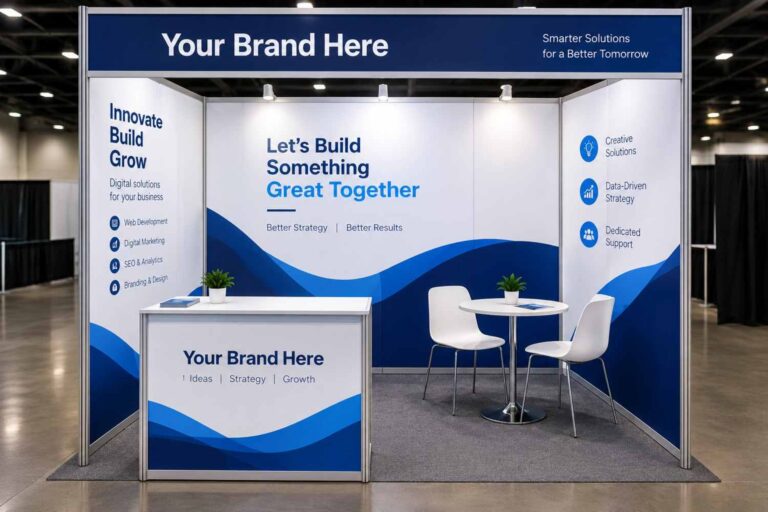
Strategic use of marketing promotional products can increase booth traffic by 76%. Avoid generic items like plain pens and opt for products that solve real problems for your audience. Tech gadgets, portable chargers, or high-quality notebooks add value while showcasing your brand’s thoughtfulness.
2. Show Employee Appreciation
Promotional products aren’t just for customers; they’re great for internal marketing too. Studies show that branded gifts can boost employee satisfaction by 89%. When employees feel valued, they become natural ambassadors for your company, promoting your culture with pride.
3. Build Customer Loyalty
Incorporating promotional products into loyalty programs can increase repeat purchases by 41%. Well-designed branded merchandise strengthens emotional connections, turning one-time buyers into long-term supporters.

Choosing the Right Products for Maximum Impact
The success of your promotional campaigns hinges on selecting items that align with your audience’s preferences and lifestyle. For example, professional firms may favor elegant desk accessories, while tech companies might choose innovative gadgets that reflect their industry.
High-Impact Product Categories
Tech Accessories: Items like USB drives, wireless chargers, and smartphone gadgets are highly valued, with retention rates of 89%. They combine utility with premium appeal.
Branded Apparel: High-quality jackets or hats act as walking billboards, extending your brand’s reach. Durable, well-made items leave a positive impression, while low-quality alternatives risk harming your brand image.
Office Supplies: Branded pens, notebooks, and desk organizers offer daily visibility in professional settings, ensuring consistent brand exposure.
Regional Insights for Florida Businesses
Promotional products that succeed in Florida often reflect the state’s unique lifestyle. With its tourism-driven economy and outdoor culture, local businesses should focus on items like branded sunscreen, reusable water bottles, and beach accessories. These products resonate with both residents and visitors, clearly showing why use promotional products in such region-specific marketing.
Climate-Friendly Options
Direct Graphix offers complete digital solutions tailored for growing businesses. The following strategies are some of the most impactful for small companies trying to build a digital presence:
Measuring ROI for Promotional Products
Promotional products aren’t just expense items – they’re measurable investments. Use tools like unique discount codes, QR codes, or specific landing pages to track their impact on engagement and conversion rates.
Research from the Promotional Products Association International (PPAI) shows that businesses using promotional products experience 22% higher brand recall compared to those relying solely on digital marketing. This increased recognition often translates into higher purchasing consideration.
Key Metrics to Monitor
Cost per impression: Campaign cost divided by total impressions.
Retention rate: Percentage of recipients who keep items longer than six months.
Lead generation: Number of new customers tied to promotional efforts.
Customer lifetime value: Revenue growth from recipients compared to non-recipients.
Integrating Promotional Products with Digital Marketing
Modern promotional campaigns work best when paired with digital strategies. For example, QR codes on branded items can lead users to a website, while social media contests featuring giveaways can boost online engagement.
Physical items can also create bridges between offline and online experiences. A branded USB drive filled with exclusive content offers multiple touchpoints – the initial gift, consistent utility, and potential content sharing.

Common Pitfalls to Avoid
To maximize the effectiveness of promotional products, steer clear of these common mistakes:
Generic choices: Selecting items without considering your audience’s needs often results in unused or discarded products.
Poor quality: Low-quality items harm your brand image more than help it. Recipients often equate product quality with your business standards.
Lack of follow-up: Don’t let promotional products be standalone gestures. Use them as starting points to build meaningful customer relationships.
The Future of Promotional Marketing
Sustainability is shaping the future of promotional products. Eco-friendly materials and reusable items appeal to environmentally conscious consumers and align with corporate social responsibility goals.
Technology is also expanding possibilities. Smart products with NFC chips, Bluetooth connectivity, or app integration create interactive brand experiences while offering valuable customer data.
Promotional products remain one of the most cost-effective tools in marketing when used strategically. By selecting the right items, aligning them with your audience’s needs, and integrating them into broader campaigns, this promotion for products approach can deliver lasting value and fuel business growth.
When done right, promotional products are more than just giveaways – they’re investments in relationships. By providing useful, high-quality items, you ensure your brand stays top-of-mind, building loyalty and goodwill that benefits both your business and your customers.
The Science Behind the Power of Physical Marketing
Research published in the British Journal of Psychology reveals that physical items create stronger memory connections compared to digital interactions. When someone uses a branded pen or drinks from a custom water bottle, their brain processes multiple sensory inputs, enhancing brand recall by up to 70%.
This sensory advantage makes promotional products especially effective in B2B marketing, where decision-makers are often inundated with digital touchpoints but receive fewer memorable physical interactions.
Frequently Asked Questions
Q1. How do I choose the right promotional product for my audience?
Focus on selecting items that are useful, relevant, and align with your brand identity. Consider your target audience’s preferences and daily habits to ensure the product adds value to their lives.
Q2. What types of promotional products work best?Budgets vary, but small businesses typically allocate High-quality, practical items such as reusable water bottles, tote bags, tech accessories, or notebooks tend to be widely appreciated. Products that cater to current trends or unique industry needs can also have a strong impact.
Q3. How can promotional products be integrated into marketing campaigns?
Promotional products can be used as part of giveaways, loyalty programs, trade shows, employee incentives, or customer onboarding packages. Pairing them with digital campaigns can further amplify their effectiveness.
Q4. Is it worth investing in higher-quality promotional products?
Yes, investing in durable and useful items reflects positively on your brand. High-quality products are more likely to be kept and used regularly, increasing your brand’s visibility and leaving a lasting impression.
Q5. How do promotional products help in building brand loyalty?
Promotional products show appreciation and provide tangible value to your customers. When recipients feel valued and associate your brand with positive experiences, it fosters trust and loyalty over time.